


Soil Health Secrets: Building the Foundation of a Thriving Garden
Soil is often overlooked by beginner gardeners, yet it is the most essential foundation of every successful garden, because it directly determines how well plants grow, absorb nutrients, and develop strong root systems over time. Healthy soil acts as a living ecosystem filled with microorganisms, organic matter, minerals, and moisture balance that work together to support plant life in a natural and sustainable way. Without good soil structure and fertility, even the best seeds or plants struggle to survive, making soil care one of the most important long-term gardening practices for any home or outdoor space.
Understanding soil goes beyond simply adding water or fertilizers, because it involves learning how texture, composition, drainage, and nutrient content influence plant behavior throughout different growth stages. Sandy soil drains quickly but may lack nutrients, while clay soil holds water but can become compacted and restrict root growth if not properly managed. Loamy soil is often considered ideal because it balances moisture retention and drainage, but even it requires regular improvement through organic matter and consistent care to maintain long-term fertility and productivity in any gardening environment.
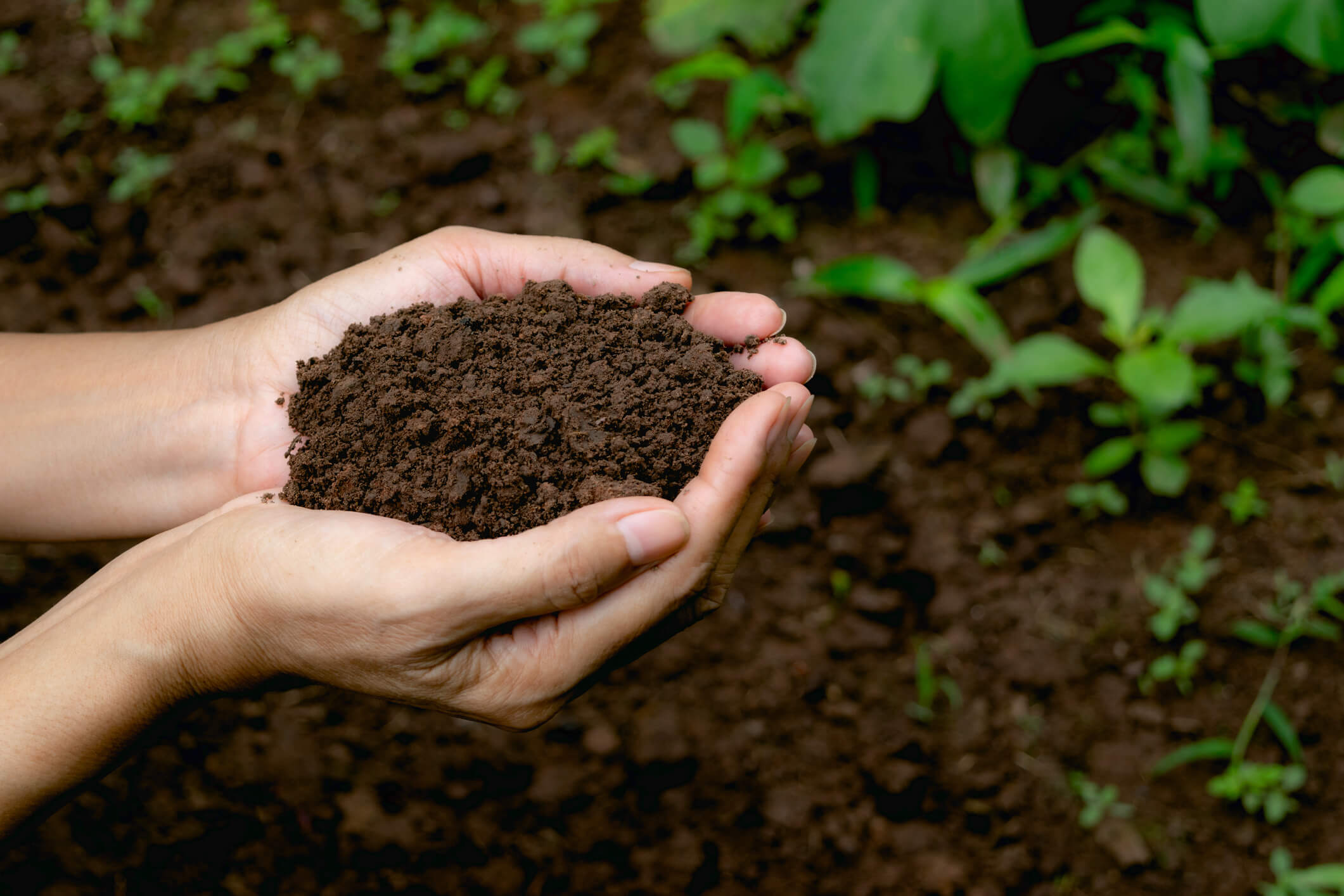
Healthy gardens begin beneath the surface, where soil quietly supports every leaf, stem, and bloom above it.
Why Soil Quality Matters More Than Anything Else
Soil quality directly affects plant health because it controls how efficiently roots can access water, oxygen, and nutrients required for growth. When soil is rich in organic matter and properly aerated, plants develop stronger root systems that allow them to withstand environmental stress, seasonal changes, and occasional neglect more effectively. Poor soil conditions, on the other hand, often lead to weak growth, nutrient deficiencies, and increased vulnerability to pests and diseases that can significantly reduce overall garden success over time.
Improving soil quality is not a one-time activity but a continuous process that involves adding compost, maintaining proper moisture levels, and avoiding soil compaction caused by excessive foot traffic or improper gardening tools. Over time, these small but consistent practices gradually transform depleted soil into a nutrient-rich growing medium that supports healthier plants and more productive gardening results. This long-term approach ensures that gardens become more resilient and self-sustaining with each growing season.
Organic Matter and Natural Soil Enrichment
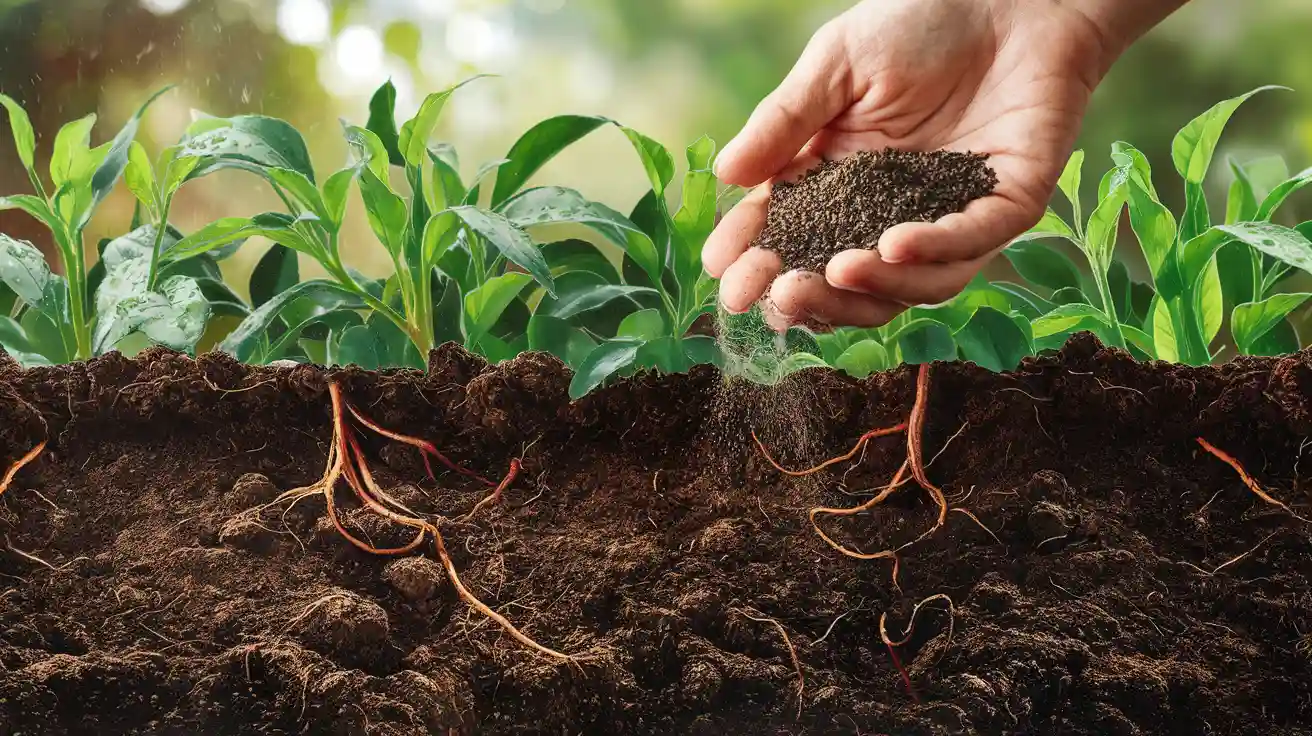
Organic matter plays a crucial role in improving soil fertility because it provides essential nutrients while also enhancing soil structure, water retention, and microbial activity. Materials such as compost, dry leaves, kitchen waste, and decomposed plant matter gradually break down to release nutrients that plants can absorb naturally, reducing the need for synthetic fertilizers and chemical inputs. This process also encourages beneficial organisms that help maintain soil balance and long-term ecological health within the garden environment.
Natural soil enrichment techniques focus on building a self-sustaining system where organic inputs continuously replenish nutrients and support ongoing plant growth cycles. By regularly incorporating compost and organic materials into the soil, gardeners can improve fertility while also enhancing soil texture and aeration. Over time, this creates a stable and productive growing environment that supports healthier plants, better yields, and improved resistance to environmental stress without relying heavily on artificial interventions.
Understanding Soil Microorganisms and Ecosystems
Soil is not just a physical medium but a living ecosystem filled with microorganisms such as bacteria, fungi, and earthworms that play a vital role in breaking down organic matter and recycling nutrients. These organisms form a complex underground network that supports plant health by improving nutrient availability and enhancing soil structure. A balanced microbial ecosystem ensures that plants receive continuous nourishment while maintaining natural soil fertility over long periods of time.
When soil ecosystems are disrupted by overuse of chemicals, excessive tilling, or lack of organic matter, microbial activity decreases, leading to weaker soil health and reduced plant performance. Restoring this balance requires gentle gardening practices, reduced chemical dependency, and consistent addition of organic inputs that support microbial life. Over time, this helps rebuild a thriving underground ecosystem that naturally supports stronger, healthier, and more resilient plant growth.
Conclusion
Soil health is the foundation of every successful garden, and understanding its importance is the first step toward building a more productive and sustainable growing environment. By focusing on soil structure, organic matter, and microbial activity, gardeners can significantly improve plant performance while creating a self-sustaining ecosystem that becomes stronger over time. This approach not only enhances gardening results but also supports long-term environmental balance and sustainability in everyday life.
SimpleGardenTips encourages gardeners to treat soil as a living resource that requires care, patience, and consistent attention rather than a static material. Through simple practices such as composting, mulching, and mindful watering, anyone can gradually transform ordinary soil into a rich, fertile foundation for thriving plants. With time and observation, soil care becomes an essential part of a more connected, mindful, and nature-centered lifestyle.