


Indoor Plants That Thrive in Low Light Spaces: A Simple Guide for Every Home
Indoor gardening has become an essential part of modern living, especially for people who live in apartments, compact homes, or urban environments where natural sunlight is limited throughout the day. Many individuals assume that plants require strong, direct sunlight to survive, but in reality, several beautiful and resilient indoor plants are perfectly adapted to low-light conditions. Understanding these plants helps beginners start their gardening journey without stress, while also improving indoor air quality, mood, and the overall atmosphere of living spaces in a natural way.
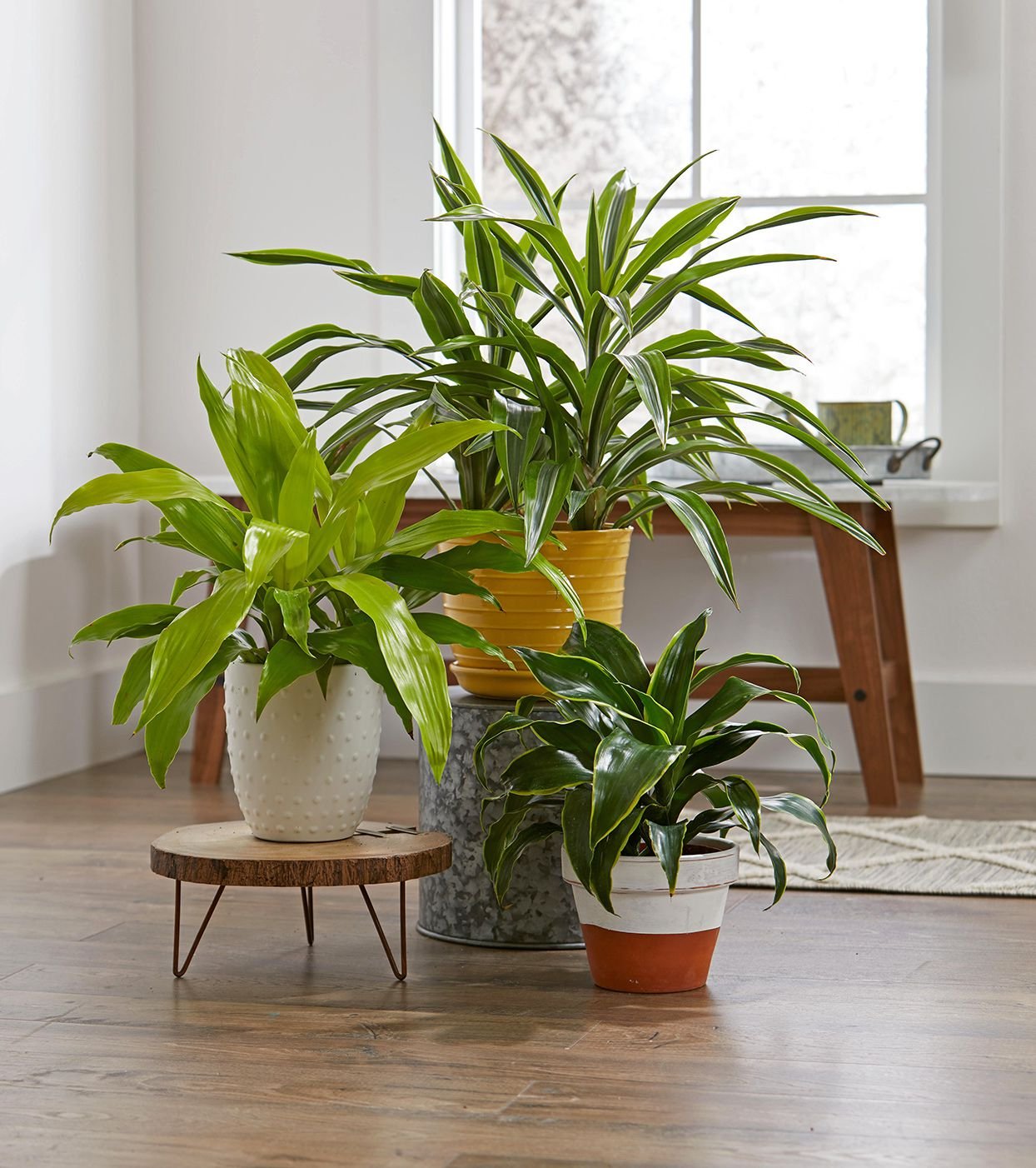
Choosing the right indoor plants is not just about aesthetics but also about matching plant needs with the environment they are placed in. Low-light areas such as hallways, bedrooms, offices, and corners of living rooms can still support healthy plant growth if the correct species are selected. Plants like snake plant, pothos, and peace lily are known for their adaptability and ability to survive in indirect light, making them ideal choices for beginners who want low-maintenance greenery without complex care routines or constant attention.
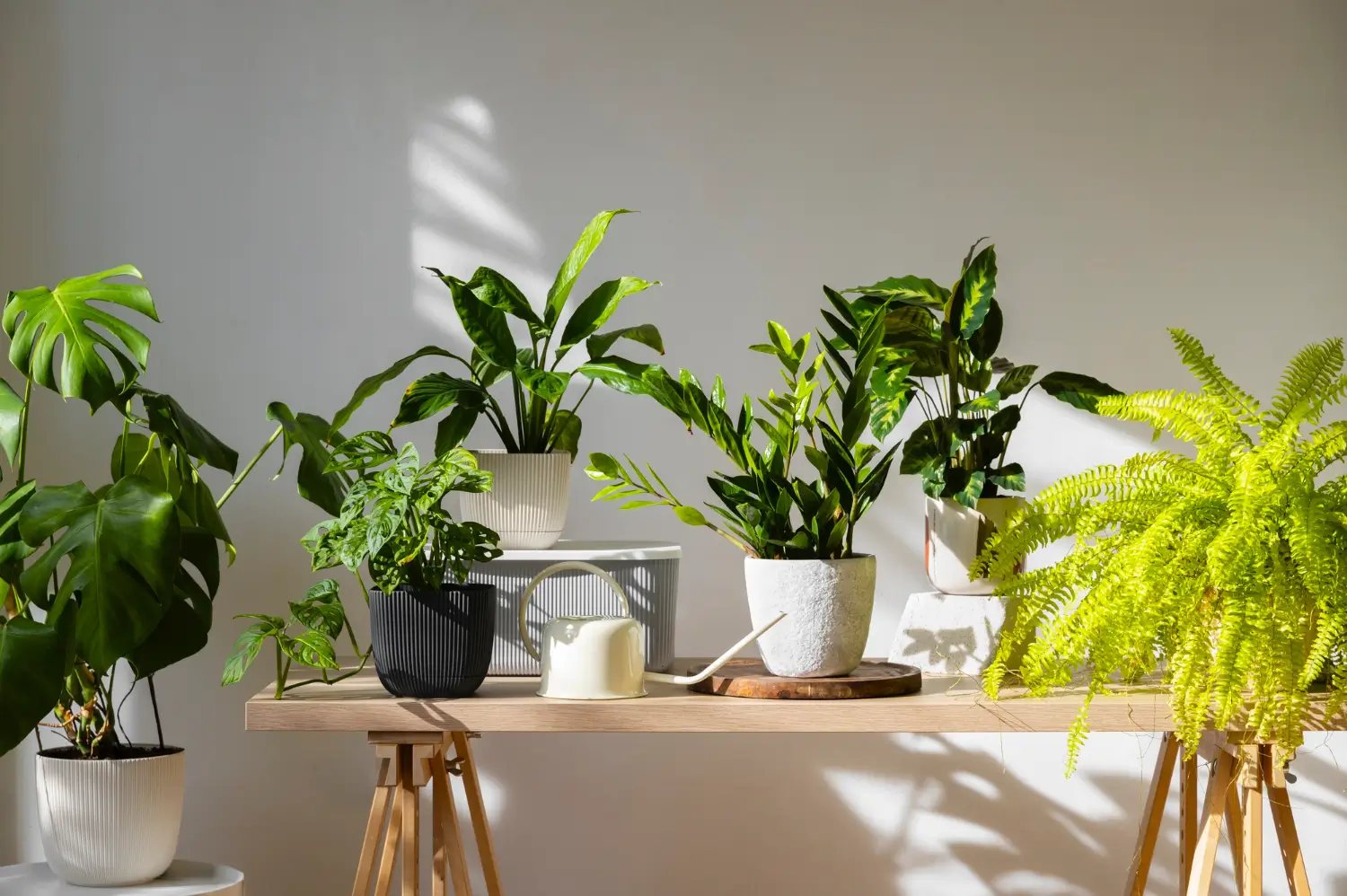
Even the darkest corners of a home can come alive when the right plants are placed with care and understanding.
Why Low-Light Plants Are Perfect for Modern Homes
Low-light indoor plants are especially suitable for modern homes because they require minimal maintenance while still offering significant visual and environmental benefits. In today’s fast-paced lifestyle, many people do not have the time to care for high-maintenance plants, so selecting species that naturally adapt to indoor conditions makes gardening more practical and sustainable. These plants can survive with limited watering, indirect light exposure, and occasional care, making them ideal for busy individuals and beginners exploring plant care for the first time.
Another important benefit of low-light plants is their ability to improve indoor air quality and create a calming atmosphere in enclosed spaces. They help reduce stress, enhance focus, and bring a sense of nature into environments that are otherwise dominated by artificial materials and digital screens. Over time, even small indoor plants can significantly improve the overall mood of a space, making homes and work areas feel more balanced, refreshing, and visually connected to natural elements.
Best Indoor Plants for Low Light Conditions
Some of the most popular low-light indoor plants include snake plant, pothos, ZZ plant, and peace lily, each offering unique characteristics that make them suitable for different home environments. Snake plants are known for their upright structure and ability to survive with very little water, while pothos plants are flexible climbers that grow well in hanging pots or shelves. ZZ plants are extremely low-maintenance and can tolerate neglect, making them perfect for beginners who are still learning how to care for plants properly.
Peace lilies, on the other hand, are known for their elegant white flowers and ability to thrive in shaded areas with minimal sunlight exposure. These plants also respond visibly when they need water, making them easier to understand for new plant owners. Together, these low-light plants create a diverse indoor garden that requires minimal effort while still offering maximum visual appeal, environmental benefits, and emotional satisfaction for anyone starting their gardening journey.
Basic Care Tips for Low Light Indoor Plants
Caring for low-light indoor plants is generally simple, but consistency is still important for long-term plant health and growth. One of the most common mistakes beginners make is overwatering, which can damage roots and lead to unhealthy plant conditions. Most low-light plants prefer their soil to dry slightly between watering sessions, so understanding moisture levels is essential for maintaining balanced plant care routines that support steady growth without unnecessary stress on the plant system.
It is also important to occasionally rotate plants so that all sides receive even light exposure, even if it is indirect. Cleaning leaves, using well-draining soil, and placing plants in stable indoor temperatures further enhances their ability to thrive in limited light conditions. Over time, these simple habits create a stable environment where indoor plants not only survive but grow steadily, adding long-term greenery and freshness to everyday living spaces.
Conclusion
Low-light indoor plants offer an easy and rewarding way to introduce greenery into modern homes without requiring complex gardening knowledge or high maintenance efforts. They allow individuals living in urban environments to experience the benefits of nature even in limited sunlight conditions, making plant care accessible to everyone regardless of experience level. By selecting the right plants and understanding their basic needs, anyone can create a calm, green, and refreshing indoor environment.
SimpleGardenTips aims to make indoor gardening simple, practical, and enjoyable by guiding users toward plant choices and care practices that fit real-life conditions. With the right approach, even small indoor spaces can become thriving green corners that support relaxation, mindfulness, and a deeper connection with nature in everyday life.