


Mindful Gardening: Building a Deeper Connection with Nature in Everyday Life
Gardening today is no longer just about growing plants for food or decoration, but about creating a meaningful relationship with the natural world that surrounds us. In modern urban environments, where lifestyles are often fast, digital, and stressful, gardening provides a grounding experience that reconnects individuals with patience, observation, and natural rhythms. SimpleGardenTips focuses on making this process accessible, so even beginners can slowly build confidence while learning how nature responds to care, attention, and consistency over time in a calm and rewarding way.
When people begin gardening, they often expect quick results, but nature operates at its own pace, guided by environmental conditions, seasonal cycles, soil health, and plant biology. Understanding this helps gardeners develop patience and awareness instead of frustration when growth is slow or unpredictable. Each plant has unique requirements, and learning to observe these subtle differences becomes an essential skill that improves not only gardening success but also overall mindfulness and appreciation for natural processes in everyday living environments.

Gardening is not just the act of growing plants—it is the practice of growing awareness, patience, and harmony with nature itself.
Why Gardening Improves Mental and Emotional Well-Being
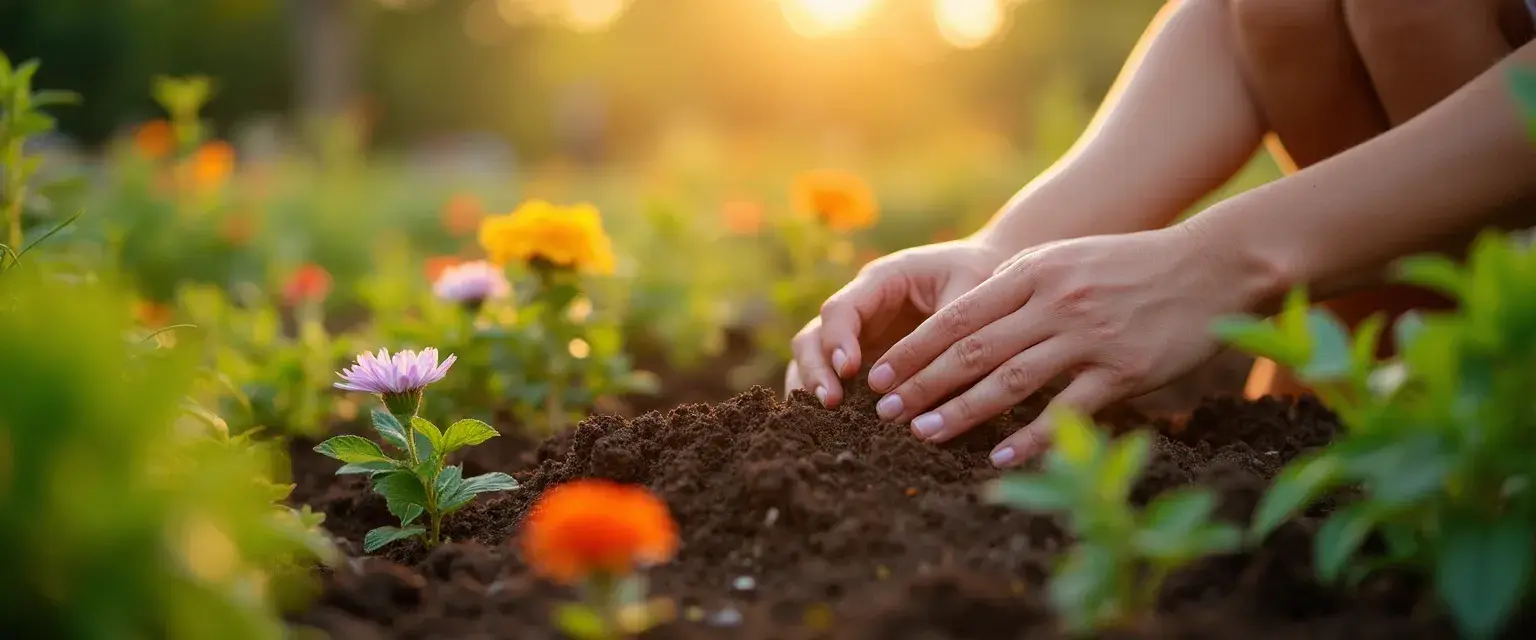
Spending time with plants has been shown to have a calming effect on the human mind, reducing stress levels and encouraging a slower, more mindful approach to daily life. Gardening activities such as watering, pruning, and soil preparation create a rhythm that allows individuals to disconnect from digital distractions and reconnect with physical reality in a meaningful and restorative way. This simple interaction with nature often brings clarity, emotional balance, and a sense of purpose that is increasingly valuable in today’s fast-paced environment.
The emotional benefits of gardening extend beyond relaxation and include improved focus, reduced anxiety, and a stronger sense of accomplishment as plants grow and thrive under care. Observing small changes such as new leaves, blooming flowers, or root development creates a sense of progress that is both subtle and deeply satisfying. Over time, this relationship with plants fosters responsibility and attentiveness, helping individuals develop habits that positively influence other areas of life including work, relationships, and personal well-being.
Creating a Sustainable and Balanced Home Garden
A sustainable home garden is built on the principles of balance, resource efficiency, and environmental awareness, ensuring that plants grow in harmony with their surroundings without unnecessary waste or overuse of natural resources. Choosing native plants, understanding seasonal patterns, and optimizing water usage are all important steps in building a garden that is both productive and environmentally responsible over time. These practices not only support plant health but also contribute to broader ecological stability within urban and residential spaces.
Sustainability in gardening also involves making thoughtful decisions about soil care, composting, and natural pest control methods instead of relying heavily on chemical inputs. By using organic materials and natural fertilizers, gardeners can improve soil fertility while maintaining a healthy ecosystem that supports beneficial insects and microorganisms. This balanced approach ensures that gardens remain resilient, self-sustaining, and aligned with long-term environmental preservation goals while still being practical for everyday use.
Indoor Gardening and Modern Living Spaces
Indoor gardening has become increasingly popular as more people live in apartments, compact homes, and urban environments where outdoor space is limited. Growing plants indoors helps improve air quality, enhance interior aesthetics, and create a calming atmosphere that supports relaxation and productivity. Even small spaces such as balconies, windowsills, or desks can be transformed into green environments with the right selection of plants and proper care techniques tailored to indoor conditions.
The success of indoor gardening depends on understanding light availability, watering schedules, humidity levels, and plant-specific requirements that differ from outdoor environments. By learning these basics, individuals can maintain healthy plants that thrive indoors without excessive effort or technical knowledge. Over time, indoor gardening becomes a rewarding habit that enhances living spaces while also encouraging a stronger connection to nature within modern architectural settings and lifestyle constraints.
Conclusion
Gardening is ultimately a journey of learning, patience, and continuous observation that evolves with time and experience rather than a fixed set of rules or instructions. It encourages individuals to slow down, pay attention to detail, and appreciate the subtle changes that occur in natural systems. Whether practiced in large outdoor spaces or small indoor environments, gardening has the ability to transform not only physical surroundings but also mental and emotional well-being in meaningful and lasting ways.
SimpleGardenTips is dedicated to making this journey accessible to everyone by providing clear, practical, and thoughtful guidance that helps individuals grow plants successfully while also developing a deeper appreciation for nature. Through simple techniques, sustainable practices, and mindful approaches, gardening becomes more than a hobby—it becomes a lifestyle that supports balance, wellness, and a stronger connection to the natural world in everyday life.